Understanding Common Dental Procedures: What to Expect During Your Visit
Recognizing typical dental procedures can substantially minimize worry for individuals. Most people experience uncertainty about the process during their appointments. Ranging from routine cleanings to more involved procedures, each step plays an essential role in maintaining oral health. Understanding what to expect can cultivate a sense of ease and alleviate worries. So what precisely occurs during these dental procedures, and how can one prepare for them? The answers may provide the confidence needed for a less stressful appointment.
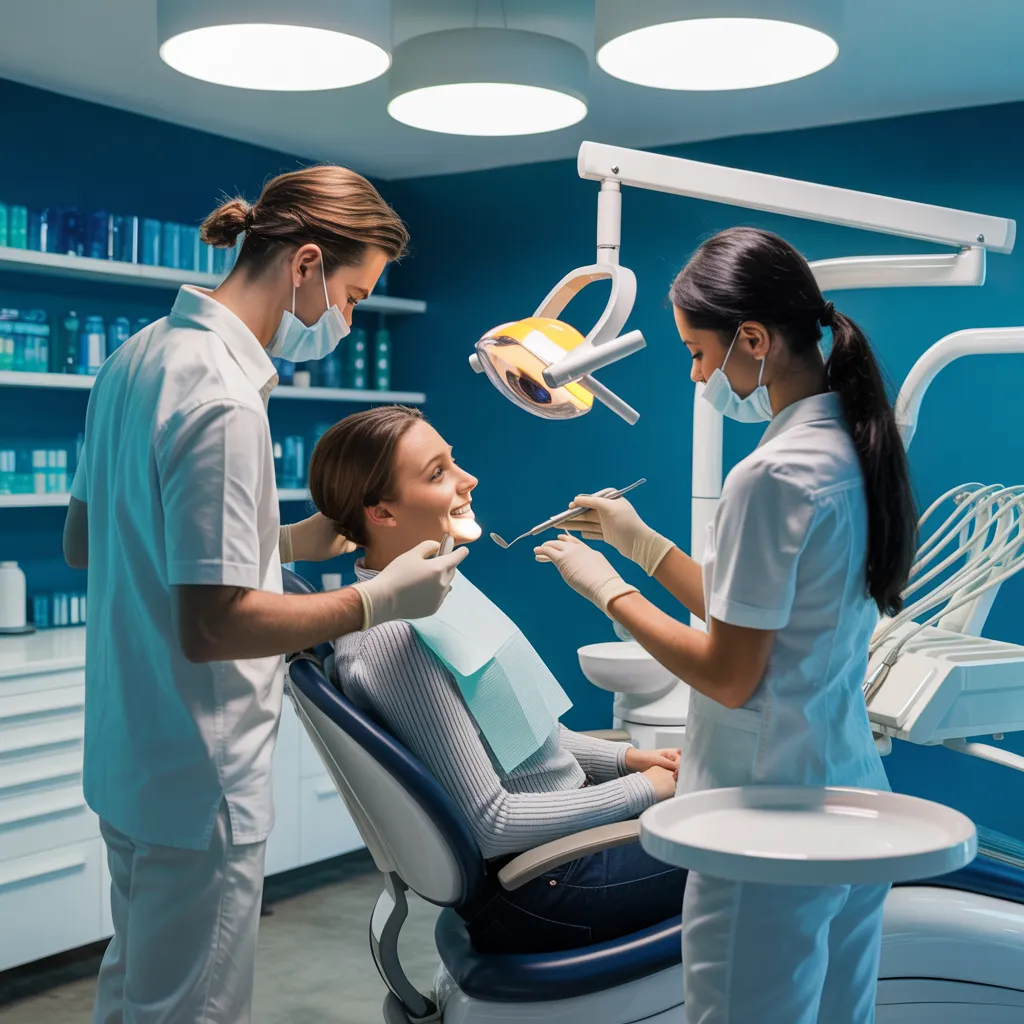
What to Expect During the Root Canal Process
What occurs during a root canal process? The process typically begins with the dentist administering local anesthesia to numb the affected area. When the patient is sufficiently numb, the dentist makes an opening in the tooth to gain access to the pulp chamber. The damaged or infected pulp is subsequently extracted with precision using specialized dental tools. Following the cleaning and reshaping of the root canals, the dentist sanitizes the area to remove bacteria.
After this step, the root canals are packed with a biocompatible material called gutta-percha to secure them and eliminate the risk of reinfection. The opening is temporarily closed, and the dentist may recommend to schedule a follow-up appointment for a crown or definitive restoration to rebuild the tooth's integrity and functionality. Throughout the procedure, the dentist guarantees that the patient is kept relaxed, responding to any questions or worries that emerge. In the end, the aim is to alleviate pain and preserve the natural tooth.
Essential Things to Know Before a Tooth Extraction
Getting ready for a tooth extraction requires various essential steps to guarantee a successful procedure and healing process. To begin, patients are advised to arrange an appointment with their dental professional to go over their health history, prescribed medications, and potential allergies. This data is essential for establishing the suitable anesthesia options and possible risks.
It is often recommended for patients to avoid eating or drinking for multiple hours before the extraction, especially if anesthesia will be administered. Furthermore, arranging for transportation home following the procedure is essential, as sedation may affect one's ability to drive safely.
Patients must also prepare for a recuperation phase, reserving time to recuperate and comply with post-operative care instructions. This can involve controlling discomfort with prescribed medications and following dietary guidelines, such as eating soft foods.
Understanding Fillings: When and Why They're Needed
Dental fillings are a critical solution for restoring teeth that have been affected by cavities, decay, or trauma, as they support oral health and protect against further complications. Once a dentist detects a cavity, the damaged portion of the tooth is extracted, and the resulting space is filled with an appropriate material. Common filling materials include amalgam, composite resin, and gold, each providing different benefits regarding durability and aesthetics.
Dental fillings are essential not only for relieving discomfort caused by decay but also for stopping bacteria from penetrating the tooth, potentially leading to more critical problems including infections or tooth loss. Routine dental visits can assist in detecting the necessity for fillings at an early stage, guaranteeing prompt treatment. Some patients could feel mild sensitivity after the treatment, but this usually diminishes within a few days. Knowing the reasons behind and the steps involved in getting fillings can help alleviate concern and support a forward-thinking attitude toward dental wellness.
A Routine Dental Cleaning: What Should You Expect?
Even though numerous patients may feel anxious about their next appointment, having a regular dental cleaning can be an uncomplicated and valuable procedure. After checking in, patients commonly submit a health intake form and have the opportunity to share any worries with the dental hygienist. The procedure typically starts with a comprehensive assessment of the teeth and gums.
Next, the dental hygienist uses specific tools to remove built-up plaque and tartar from the tooth surfaces. This scaling process is often accompanied by a light polishing with a gritty toothpaste, making teeth feel fresh and polished. Patients may additionally receive flossing and instruction on correct dental hygiene practices to support good oral health in their daily routine.
To conclude, the dentist will carry out a quick assessment, giving guidance and suggestions for ongoing care. All in all, scheduled dental cleanings not only boost mouth health but also make a substantial difference to long-term oral health.
How Dental X-Rays Play a Key Role in Your Oral Health
Dental radiographs play a critical role in supporting overall oral health by revealing hidden issues that may not be visible during a regular dental checkup. They empower dental specialists to observe a patient's dental condition over time and strategically plan upcoming treatments. Recognizing the significance of these diagnostic tools is essential for ideal dental care.
Identifying Hidden Concerns
When patients visit their dentist for routine check-ups, the importance of dental X-rays often becomes apparent, as these images reveal hidden issues that cannot be detected through a basic visual inspection. Dental X-rays function as indispensable resources for detecting cavities between teeth, monitoring overall bone density, and uncovering infections within tooth roots. They can also uncover issues like impacted wisdom teeth or structural jaw irregularities. By offering a more detailed look at the oral cavity's inner workings, X-rays enable dental professionals to develop targeted care strategies customized to each patient's unique requirements. Without access to these critical imaging tools, a wide range of dental issues could easily be overlooked, causing considerably more serious problems down the line. Routine dental X-ray assessments are critical for maintaining ideal dental health and avoiding complications later on.
Tracking Dental Health
Routine dental visits frequently include X-rays as a key element of monitoring oral health. These imaging techniques allow dental professionals to detect issues that are not visible during a standard examination, including cavities, bone loss, and abnormalities in tooth roots. By delivering a detailed picture of dental anatomy, X-rays support timely detection and treatment, which helps avoid more complex problems. They further aid in measuring the progress of active therapies and making certain that shifts in dental health receive immediate attention. Regular X-ray evaluations contribute to a forward-thinking method of sustaining dental wellbeing, making certain that patients get targeted care aligned with their particular conditions. Ultimately, X-rays remain indispensable resources for preserving enduring oral health.
Preparing for Future Treatments
A complete grasp of oral health is strongly supported by the insights provided by dental X-rays. These images serve as a vital tool for dentists in planning future treatments. By uncovering concerns that might go undetected during a standard checkup, X-rays can pinpoint cavities, bone loss, and additional oral conditions in their early phases. This knowledge empowers practitioners to create personalized care plans, guaranteeing prompt action that helps avoid more applicable information serious dental problems. Additionally, X-rays help in monitoring the effectiveness of ongoing treatments and adapting strategies as necessary. Overall, including dental X-rays as part of routine visits not only elevates the standard of patient care but also fosters long-term oral wellness by allowing early intervention on potential problems.
How to Ease Dental Anxiety Before Your Appointment
How might patients best address their dental anxiety ahead of a scheduled appointment? One effective strategy is to schedule visits during less busy times to minimize stress. Practicing relaxation methods, such as deep breathing or guided imagery, can similarly help soothe anxiety. Patients might think about bringing a trusted companion to offer reassurance and divert attention.
Moreover, becoming acquainted with the dental office environment can reduce anxiety. Numerous patients find it advantageous to discuss concerns with the dentist ahead of time, allowing for a better understanding of the steps that will take place. Playing music or audio content during the appointment can act as a helpful means of diverting attention.
To conclude, establishing a communication system with the dentist for pauses can create a feeling of control. As a whole, these techniques enable patients to confront their fears, rendering dental check-ups easier to handle and less overwhelming.
Popular Questions Answered
How Often Should I Schedule Dental Check-Up Visits?
Most dental professionals recommend scheduling dental check-ups biannually. That said, patients with certain oral health conditions or increased risk factors might require additional appointments to maintain ideal oral health and prevent complications.
What Can I Do to Maintain Oral Hygiene at Home?
To keep up with oral hygiene at home, it is recommended to brush twice daily with fluoride toothpaste, floss regularly, gargle with an antibacterial mouthwash, cut back on sugary foods, and book periodic dental check-ups for professional advice and treatment.
Are Dental Procedures Painful, and How Is Pain Managed?
Dental procedures can cause discomfort, but pain control strategies, such as numbing agents and sedation, are frequently utilized. Dentists assess individual needs to guarantee a more comfortable experience during dental work, minimizing potential pain effectively.
What Should I Consume or Avoid After Dental Treatments?
Post dental treatments, it is recommended to choose soft foods like applesauce and yogurt while refraining from consuming hard, crunchy, or spicy options. Maintaining proper hydration through water intake is important, and heated liquids must be refrained from to avoid irritation.
How Can I Find a Good Dentist in My Area?
To identify a reliable dentist, one can request suggestions from family or friends, browse online testimonials, and check local dental associations. Booking initial appointments can further help evaluate comfort and compatibility with prospective dental providers.