The Significance of Preventive Dental Care for Lasting Smiles
Preventive oral health services play a vital role in preserving dental health throughout life. Regular check-ups and cleanings can identify potential issues prior to them becoming serious. This forward-thinking method not only protects tooth structure but also supports general health. Moreover, good oral hygiene and nutrition represent core pillars of proactive oral health management. Appreciating the range of these treatments may uncover considerable advantages that numerous individuals fail to recognize. What are the essential elements that define this essential aspect of health?
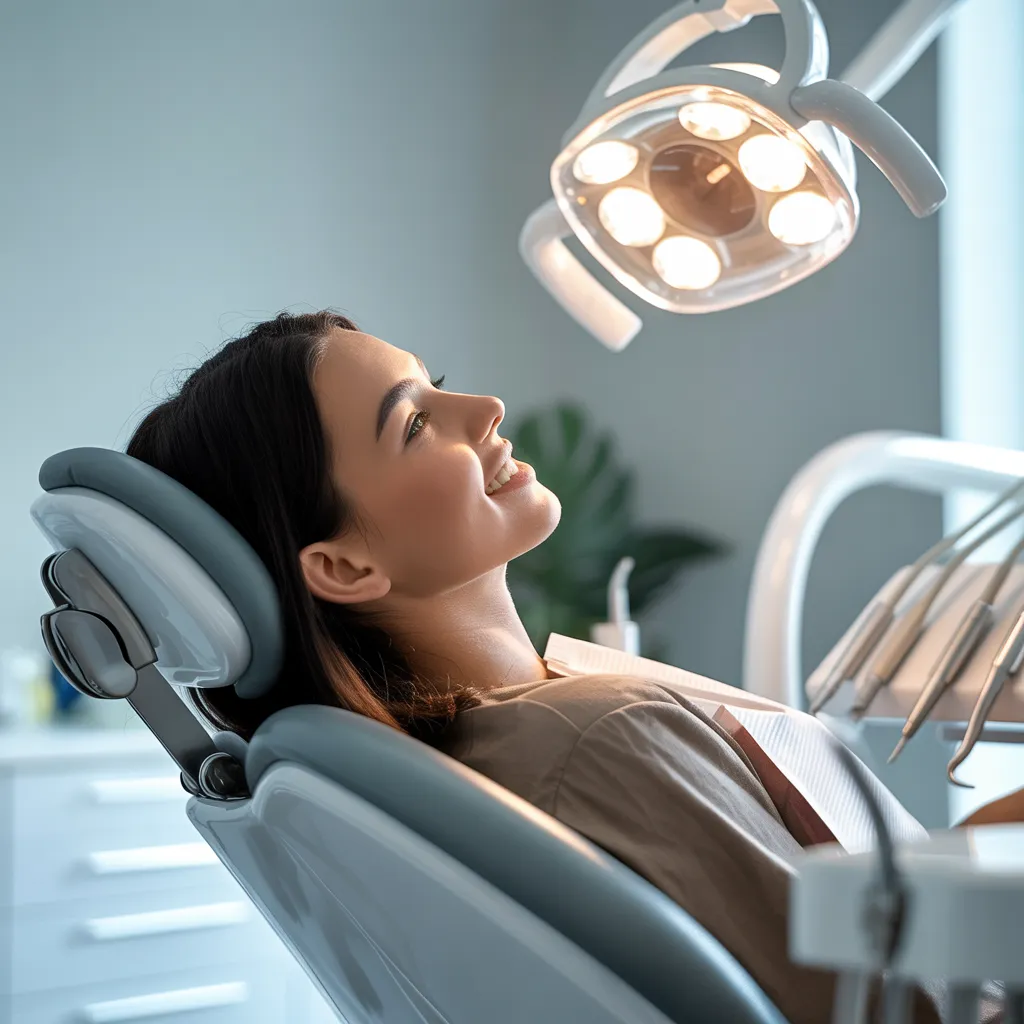
Grasping the Role of Preventive Dental Care
Additionally, preventive dental care supports general health and wellness, as oral health is closely linked to general health concerns. Keeping teeth and gums in good condition affects important aspects including essential resource diet, self-confidence, and cardiovascular wellness. Learning about good oral hygiene habits also enables people to manage their own dental health. Ultimately, understanding and embracing preventive dental care lays the foundation for a lifetime of healthy smiles, promoting both physical and emotional benefits.
Important Types of Preventive Dental Services to Keep in Mind
While many individuals may overlook the importance of preventive dental care, these vital services play a critical role in maintaining oral health. Primary examples of preventive dental services include routine dental examinations, thorough professional teeth cleanings, and fluoride treatments.
Dental check-ups allow professionals to detect potential issues early, such as cavities or gum disease. Expert dental cleanings, commonly scheduled every six months, clear away plaque and tartar deposits, which can result in more severe dental issues if not addressed.
Fluoride therapy fortifies tooth enamel, supplying an added level of protection against deterioration. Dental sealants, yet another preventive solution, are administered to the chewing surfaces of molars to protect them from harmful bacteria and food debris.
In addition, patient instruction on appropriate oral hygiene techniques is fundamental. By understanding the importance of these services, individuals are empowered to take meaningful action toward long-lasting smiles and excellent oral health.
The Reasons Preventive Care Leads to Long-Term Savings
Prioritizing routine dental maintenance can significantly lower long-term costs associated with oral health. Regular check-ups, cleanings, and screenings work to preserve strong teeth and healthy gums, reducing the likelihood of major dental concerns that require costly interventions. By resolving minor concerns before they worsen, patients can avoid costly procedures such as crowns, root canals, or tooth extractions.
In addition, routine preventive care can contribute to lower insurance costs in the long term, as maintaining good oral health typically results in fewer claims. People also gain from a decreased necessity for restorative dental work, which can prove to be quite costly. Moreover, good oral health and healthy gums play a role in total well-being, perhaps lowering medical costs tied to systemic issues stemming from inadequate oral hygiene. Ultimately, focusing on preventive dental services not only preserves your smile but also encourages meaningful financial savings in the future.
Detecting Issues Early With Preventive Care
Regular dental check-ups serve a vital purpose in identifying potential issues before they worsen. Early detection of cavities and proactive measures against gum disease can significantly enhance long-term oral health. By prioritizing dental prevention, people can maintain their smiles and minimize the necessity of more invasive dental interventions.
Regular Check-Up Importance
Regular dental visits are vital for preserving oral health, as they enable the early detection of potential issues. These routine consultations permit dental specialists to examine the health of teeth and gums, detecting issues before they worsen. By monitoring oral health closely, oral health specialists can offer immediate care, sparing patients from more invasive and costly dental work later on. Moreover, these sessions frequently feature comprehensive professional cleanings, eliminating plaque and tartar deposits that everyday brushing can overlook. Patients also receive valuable guidance on proper oral hygiene practices, contributing to better overall health. At their core, routine visits cultivate a forward-thinking attitude to dental care, promoting longevity in smiles and reducing the likelihood of severe dental complications.
Early Cavity Detection
Early cavity detection can greatly influence the effectiveness of proactive dental treatment. When cavities are identified in their earliest stages, timely measures can be taken, often preventing the need for more complex dental work. Routine dental visits, enhanced by advanced diagnostic tools such as laser technology and digital X-rays, enable early identification. This preventive method not only maintains the integrity of teeth but also saves patients time and money in the long run. Furthermore, early detection fosters a greater awareness of oral care routines, motivating people to copyright their oral health. By emphasizing the importance of early detection, both patients and dental professionals can join efforts toward improved dental health and reduce the prevalence of dental issues over time.
Gum Disease Prevention Strategies
Protecting against gum disease calls for diligence and preventive action. Regular dental check-ups play an essential role in early detection, enabling dental experts to spot initial indicators like inflammation or plaque accumulation. Such appointments facilitate prompt treatment, helping to avert more serious issues such as periodontitis. Daily oral hygiene practices, including brushing and flossing, complement professional care by removing food particles and plaque that can lead to gum issues. Additionally, patients should be educated on the risk factors associated with gum disease, such as smoking and diabetes, empowering them to make informed lifestyle choices. When individuals place emphasis on preventive dental practices, they can sustain healthy gums, lowering the likelihood of complications and enjoying a lifetime of confident smiles. Early action is key in safeguarding oral health.
Everyday Routines for Superior Oral Health
Preserving excellent oral health necessitates steady everyday routines. Correct brushing methods, routine flossing, and healthy dietary choices are fundamental factors in reducing the risk of dental concerns. By integrating these practices into a daily routine, everyone can substantially boost their long-term dental health.
Effective Brushing Methods
Consistently brushing your teeth is essential for achieving excellent oral hygiene. Proper brushing methods significantly aid in the clearing of plaque and deterrence of tooth decay. Dental professionals advise using a soft-bristled toothbrush and fluoride toothpaste. The toothbrush should be angled at a 45-degree angle to the gums, ensuring the bristles access both the teeth and the gums. Every brushing session ought to be at least two minutes long, guaranteeing that every surface—front, back, and biting areas—is properly cleaned. It is advisable to brush at least twice a day, preferably once in the morning and once before going to bed. Replacing your toothbrush every three to four months is equally important, as frayed bristles are not as effective at cleaning. Adhering to these practices fosters a foundation for lifelong dental health.
Importance of Flossing
Even though brushing is vital for oral hygiene, flossing serves an equally significant role in preserving optimal dental health. Flossing effectively removes food particles and plaque from between teeth, areas that toothbrushes often miss. This routine assists in averting gum disease and cavities, promoting comprehensive oral wellness. Regular flossing also promotes healthier gums by reducing inflammation and bleeding. Several dental specialists advise integrating flossing into everyday routines, ideally before brushing, to maximize benefits. Moreover, applying the right technique guarantees that the floss reaches beneath the gumline without causing injury. By emphasizing this straightforward yet vital habit, individuals can significantly improve their dental care, leading to long-lasting smiles and reduced dental issues in the future.
Healthy Dietary Choices
While regular dental care is essential, smart eating habits greatly enhance overall oral health. A nutritious diet filled with fruits, vegetables, whole grains, and lean proteins delivers the vital nutrients required for strong teeth and gums. High-calcium foods like dairy products and leafy greens aid in reinforcing enamel, whereas vitamin C-packed foods contribute to healthier gums. Conversely, excessive sugar and acidic foods can lead to tooth decay and erosion. Staying hydrated, especially by drinking water, supports saliva production, which plays a key role in neutralizing acids and removing food debris. By choosing their foods wisely, individuals can substantially boost their oral health, minimizing the chances of dental concerns and supporting a lifetime of healthy smiles.
How Often Should You Schedule Preventive Dental Visits?
How frequently should individuals schedule preventive dental visits to ensure ideal oral health? Most oral health experts recommend that both adults and children see a dentist at least two times per year. These twice-yearly visits allow for comprehensive cleanings and timely identification of potential issues, such as cavities or gum disease. However, specific circumstances may require increased dental check-ups. Patients with particular oral health issues, previous gum disease, or patients undergoing orthodontic treatment may gain advantages from check-ups four times per year. Additionally, lifestyle decisions and age, such as cigarette use or elevated sugar intake, can affect the regularity of required appointments. Ultimately, creating a customized oral health strategy with a dentist ensures that people sustain ideal oral hygiene throughout their lives. Routine preventive check-ups not only strengthen dental health but also foster long-term relationships between clients and their oral health professionals, promoting overall well-being.
Common Questions and Answers
Can Children Receive Preventive Dental Care Benefits Too?
Indeed, kids may receive preventive dental care benefits. These treatments often include routine dental examinations, dental cleanings, and topical fluoride treatments, which are important for supporting oral health and preventing future dental issues in children.
What Can I Expect During a Preventive Dental Appointment?
At a routine dental appointment, individuals can anticipate a detailed assessment, professional teeth cleaning, and guidance regarding dental hygiene routines. Dental X-rays may be performed when needed, providing a complete assessment of dental health and potential issues.
Do Dental Insurance Plans Cover Preventive Services?
The majority of dental insurance plans provide benefits for preventive care, including regular dental visits, professional cleanings, and X-rays. That said, coverage details may change by policy, which makes it necessary for policyholders to examine their particular plan to become familiar with their benefits.
What Should I Look for When Choosing a Dentist for Preventive Care?
Finding the ideal dentist for preventive dental treatment involves looking into professional credentials, reviewing patient feedback, evaluating office atmosphere, and familiarizing yourself with treatment methods. Consultations and personal referrals can further assist in discovering a care provider who meets individual needs effectively.
What Are the Dangers of Missing Preventive Dental Visits?
Neglecting routine dental visits raises the likelihood of tooth decay, gum disease, and various oral health conditions. This disregard can result in more complex dental procedures, greater financial burdens, and potential lasting consequences for one's overall health.